
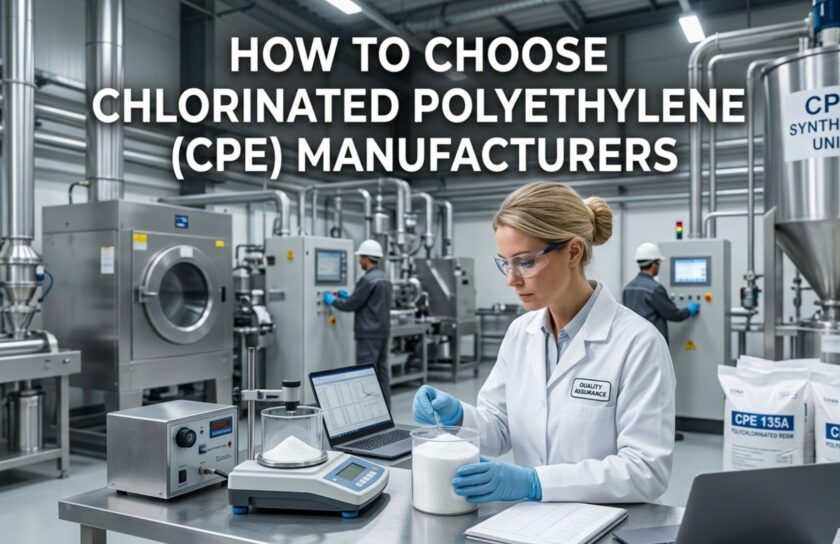
How to Choose Chlorinated Polyethylene Manufacturers
Choosing the right chlorinated polyethylene manufacturer requires more than comparing prices. Buyers should assess…
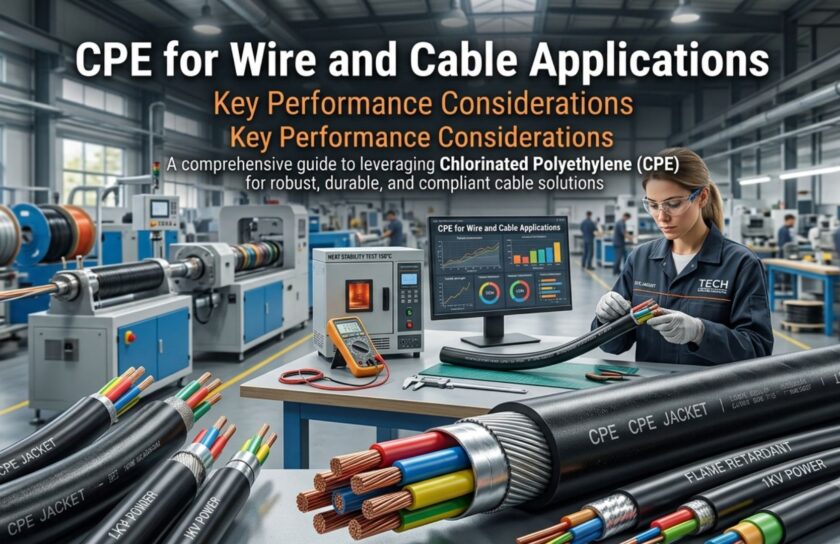
CPE for Wire and Cable Applications: Key Performance Considerations
Chlorinated polyethylene (CPE) is used in wire and cable compounds to improve flexibility, toughness,…
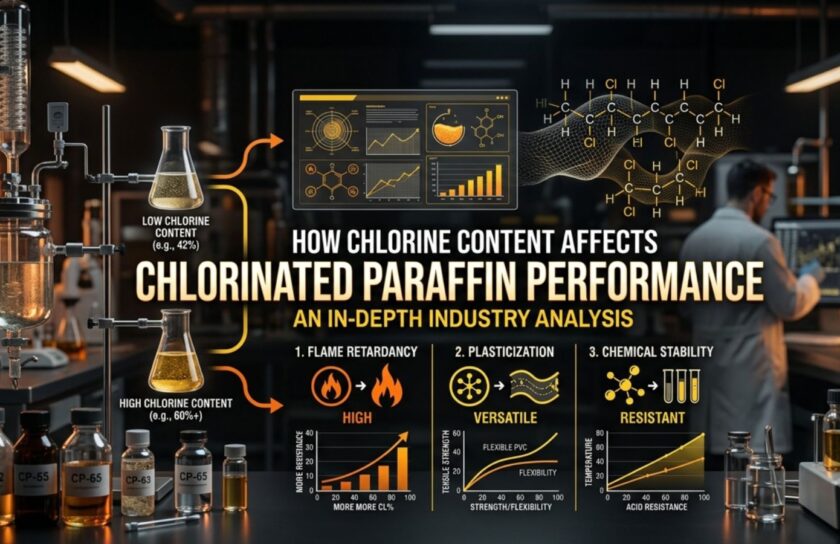
How Chlorine Content Affects Chlorinated Paraffin Performance
Chlorine content directly influences the performance characteristics of chlorinated paraffin, including its flame-retardant contribution,…

CPE Impact Modifier: How Does It Work in PVC?
CPE impact modifiers improve the toughness and impact resistance of rigid PVC by forming…
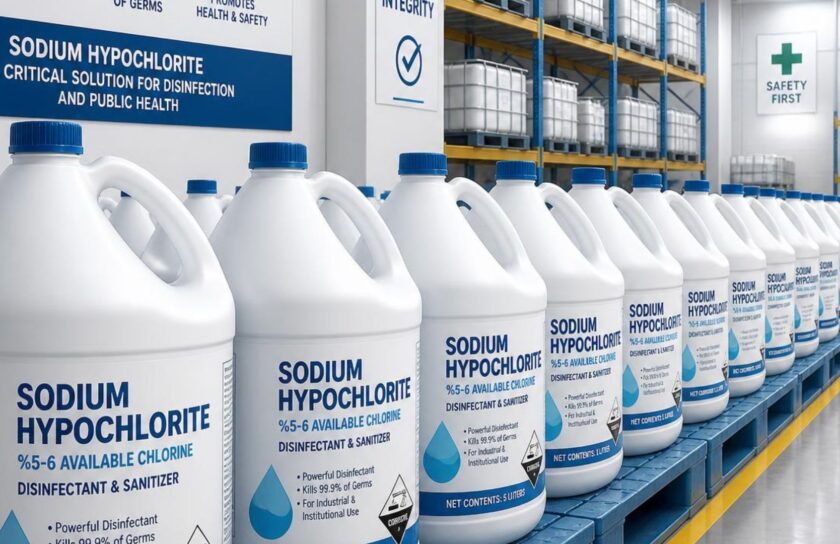
Sodium Hypochlorite for Industrial Disinfection: Applications and Best Practices
Sodium hypochlorite is widely used for industrial disinfection because it provides effective microbial control,…
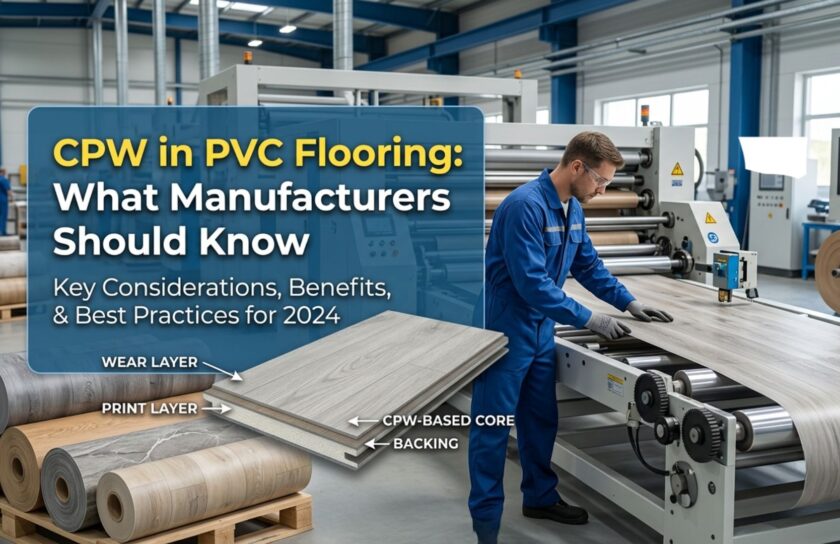
CPW in PVC Flooring: What Manufacturers Should Know
Chlorinated Paraffin Wax (CPW) is commonly used in PVC flooring as a secondary plasticiser…
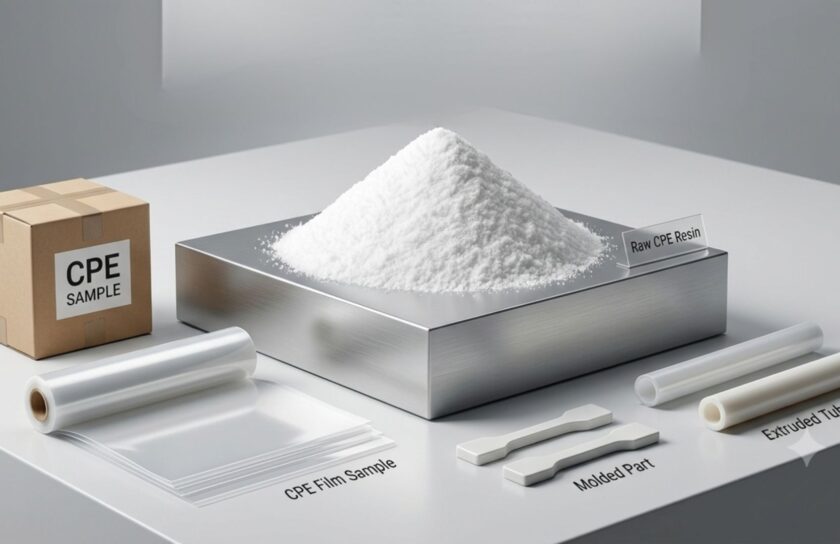
CPE Quality Parameters Buyers Should Check
When buying CPE for PVC and UPVC applications, buyers should evaluate more than price.…
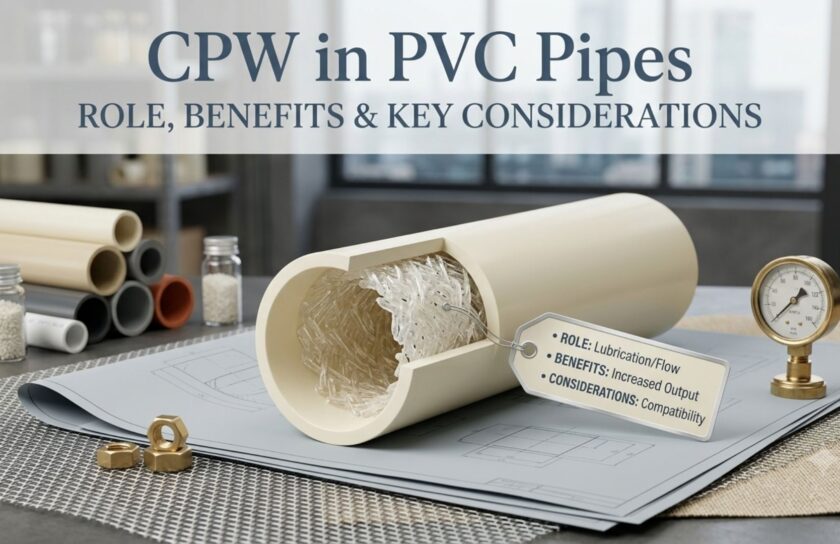
CPW in PVC Pipes: Role, Benefits and Key Considerations
Chlorinated Paraffin Wax (CPW) is commonly used in PVC formulations as a secondary plasticizer…
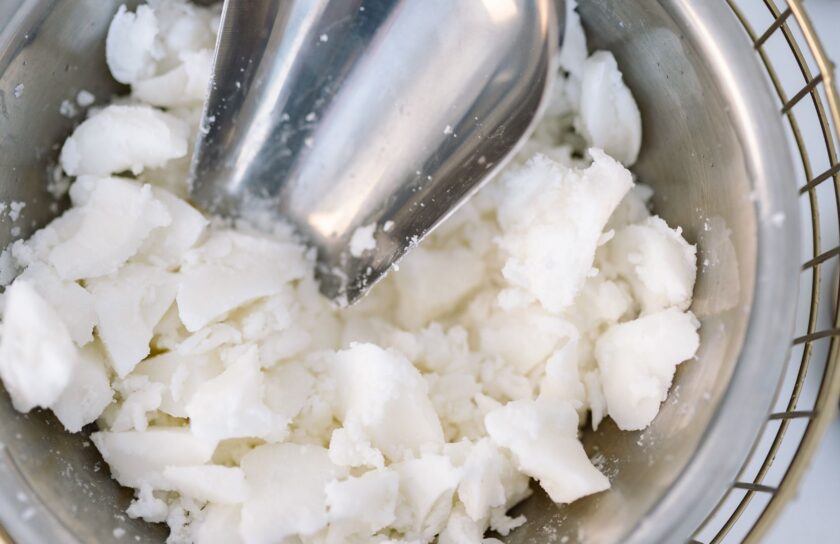
Why Chlorinated Paraffin Wax Is Widely Used in Manufacturing
Chlorinated paraffin wax (CPW) is widely used in manufacturing because it serves multiple functions…
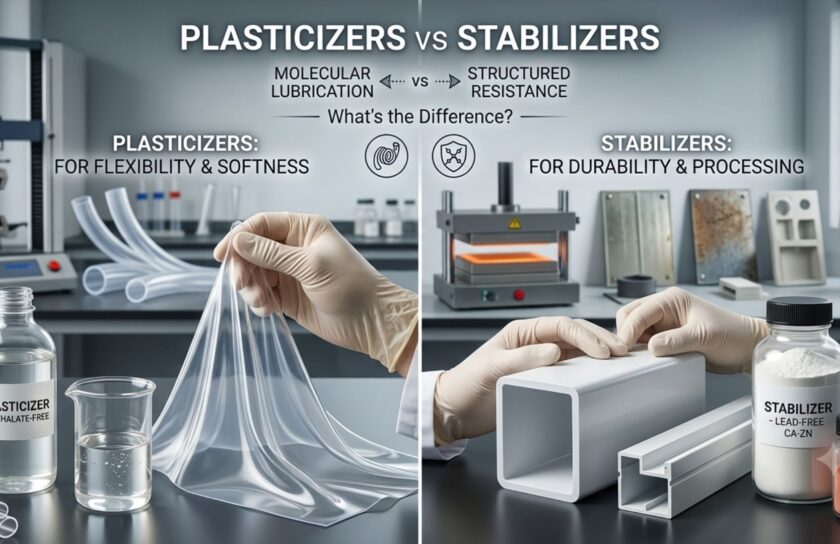
Plasticizers vs Stabilizers: What’s the Difference?
Plastics are everywhere—from electrical cables and automotive components to medical devices, packaging, and construction…
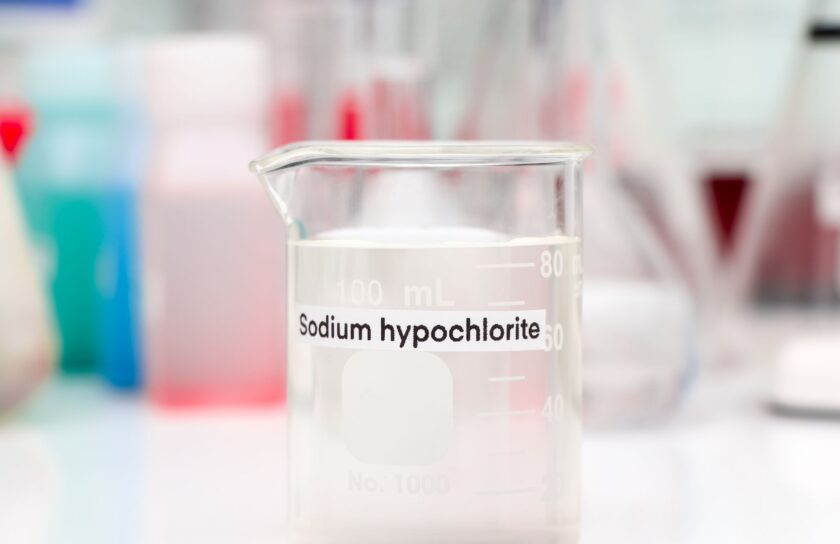
Sodium Hypochlorite Uses Across Different Industries
Sodium hypochlorite is one of the most widely used chemical compounds across industrial and…
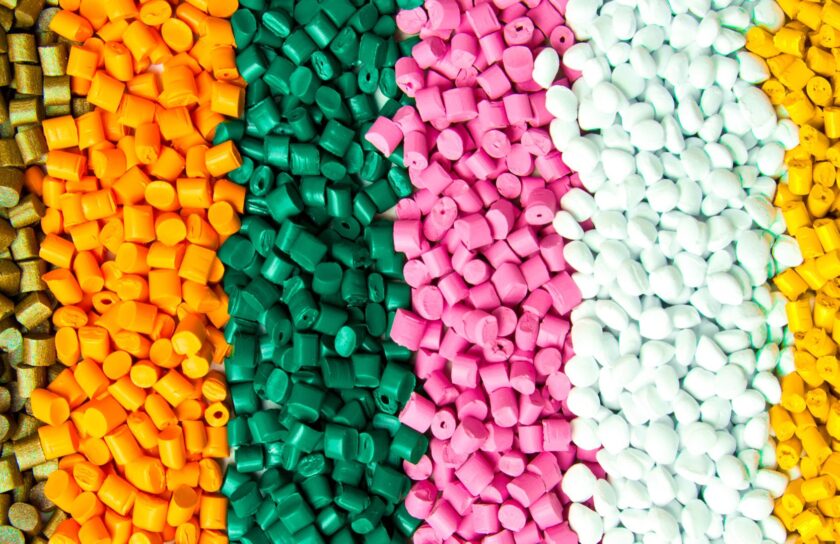
Green Plasticizers vs Phthalate Plasticizers: What’s the Difference and Which Is Better?
Green plasticizers are environmentally friendly alternatives to traditional phthalate plasticizers. While both improve the…
