CPW in PVC Flooring: What Manufacturers Should Know
Chlorinated Paraffin Wax (CPW) is commonly used in PVC flooring as a secondary plasticiser and chlorine-containing additive. It can contribute to flexibility, flame-retardant performance and formulation cost optimisation. The right CPW grade depends on chlorine content, viscosity, compatibility, thermal stability, dosage and the performance requirements of the finished flooring.
What Is CPW in PVC Flooring?
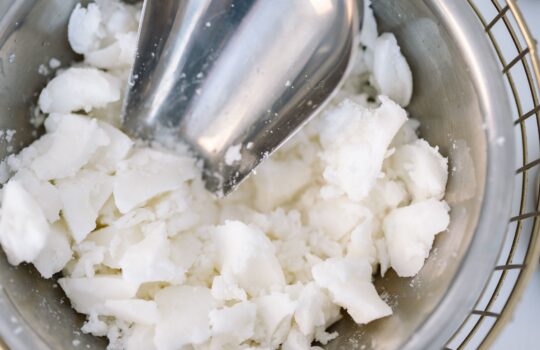
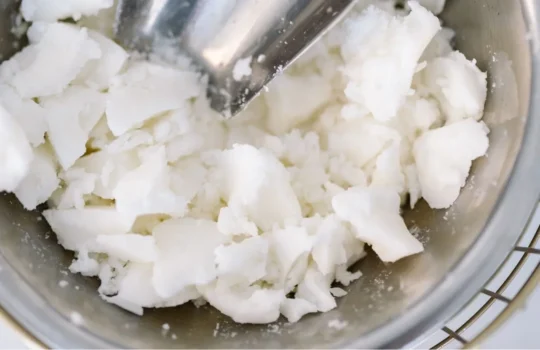
Chlorinated Paraffin Wax (CPW) is a chlorinated hydrocarbon used as a secondary plasticiser and functional additive in PVC formulations. It is available in different grades, with variations in chlorine content, viscosity and other technical properties.
In PVC flooring, CPW is generally incorporated alongside PVC resin, primary plasticisers, stabilisers, fillers and other additives. Its role is not limited to one property: depending on the formulation and grade selected, CPW can contribute to flexibility, flame-retardant characteristics, processing behaviour and overall formulation economics.
For manufacturers, the key consideration is not simply whether CPW can be used in PVC flooring, but which grade, concentration and formulation combination delivers the required finished-product performance.
Why Is CPW Used in PVC Flooring?
CPW is used in PVC flooring formulations for several technical and commercial reasons.
1. It Acts as a Secondary Plasticiser
CPW can complement primary plasticisers in flexible PVC formulations. It can contribute to the required flexibility of the flooring while allowing formulators to balance the overall plasticiser system.
The final effect depends on the CPW grade, dosage and interaction with other components in the formulation.
2. It Can Contribute to Flame Resistance
Because CPW contains chlorine, it can provide a flame-retardant contribution to PVC formulations. This can be useful when developing flooring products with specific fire-performance requirements.
However, CPW should not be viewed as a standalone solution for achieving a particular fire classification. The fire performance of finished PVC flooring depends on the complete formulation, product construction and manufacturing process and should be established through appropriate testing.
3. It Can Help Optimise Formulation Costs
CPW can serve multiple functions within a PVC formulation. When appropriately selected and used alongside other plasticisers and additives, this can help manufacturers optimise the balance between material cost and required product properties.
Cost optimisation should not come at the expense of compatibility, mechanical performance or long-term product stability.
4. It Can Influence Processing Behaviour
CPW can affect the way a PVC compound behaves during processing. Its interaction with PVC resin, plasticisers, stabilisers and fillers therefore needs to be considered during formulation development.
A grade that performs well in one flooring formulation may not produce identical results in another.
How Does Chlorine Content Affect CPW Selection?
Chlorine content is one of the important parameters manufacturers consider when selecting CPW.
Different CPW grades can offer different balances of plasticising and flame-retardant characteristics. However, a higher chlorine content should not automatically be interpreted as a better grade for every PVC flooring application.
Manufacturers should consider chlorine content alongside:
- Plasticiser compatibility
- Required flexibility
- Mechanical properties
- Processing temperature and conditions
- Flame-performance requirements
- Migration behaviour
- Finished-product specifications
The appropriate grade should ultimately be established through formulation trials rather than selected on a single specification alone.
What CPW Properties Should PVC Flooring Manufacturers Check?
Before purchasing CPW, manufacturers should evaluate the technical specifications that can influence formulation consistency and finished-product performance.
| CPW Property | Why It Matters in PVC Flooring |
|---|---|
| Chlorine content | Influences the functional characteristics of the CPW grade |
| Viscosity | Can affect handling, blending and processing |
| Thermal stability | Important during PVC processing |
| Purity | Supports consistent formulation and production |
| Compatibility | Influences interaction with PVC and other additives |
| Migration characteristics | Important for long-term product performance |
| Batch consistency | Helps maintain predictable manufacturing results |
A supplier’s technical data sheet and Certificate of Analysis should be reviewed before approving a CPW grade for production.
How Should Manufacturers Determine CPW Dosage?
There is no universal CPW dosage that applies to every PVC flooring formulation.
The appropriate concentration depends on factors such as:
- PVC resin type
- Primary plasticiser system
- CPW grade
- Filler loading
- Stabiliser package
- Required flexibility and hardness
- Processing conditions
- Fire-performance requirements
- Finished-product specifications
Increasing the amount of CPW does not necessarily improve flooring performance. Excessive or poorly optimised levels can affect mechanical properties, processing behaviour, surface characteristics and long-term stability.
A controlled formulation trial is therefore the most reliable way to determine the appropriate dosage.
How Does CPW Interact With Other PVC Flooring Ingredients?
PVC flooring is a multi-component system, meaning CPW performance cannot be assessed independently from the rest of the formulation.
Primary plasticisers determine much of the flexibility and processing behaviour, while stabilisers help protect PVC during processing. Fillers can influence hardness, density and cost, and other additives may be used to achieve specific performance requirements.
CPW needs to work within this complete system.
For this reason, manufacturers should assess compatibility and finished-product performance rather than selecting CPW solely based on price or chlorine content.
What Quality Checks Should Manufacturers Perform Before Buying CPW?
Consistent raw materials are essential for high-volume PVC flooring production. Variations between CPW batches can affect processing conditions and finished-product properties.
Manufacturers should assess suppliers based on:
- Consistency of technical specifications
- Batch-to-batch quality
- Chlorine content control
- Viscosity and physical properties
- Purity and quality-control procedures
- Certificate of Analysis availability
- Packaging and storage recommendations
- Regulatory and compliance documentation
- Production and supply capacity
- Technical support
A supplier should be able to provide appropriate documentation and demonstrate that its manufacturing and quality-control processes can deliver consistent material.
Is CPW Suitable for Every PVC Flooring Application?
No. CPW selection should always be based on the specific formulation and intended application.
PVC flooring can be manufactured for residential, commercial, industrial, healthcare and other environments. These applications may have different requirements for flexibility, hardness, durability, fire performance, chemical resistance and regulatory compliance.
Manufacturers should therefore conduct application-specific trials and testing before commercial production.
It is also important to consider the regulatory requirements of the market where the finished flooring will be sold. Chemical restrictions and product requirements can vary between jurisdictions, so manufacturers should verify the applicable requirements rather than assuming that one formulation is suitable for every market.
Why Does the Choice of CPW Manufacturer Matter?
The performance of a PVC flooring formulation depends partly on the consistency of its raw materials. This makes CPW supplier selection an important part of quality management.
A dependable CPW manufacturer should provide consistent specifications, documented quality controls, technical documentation and reliable supply. For manufacturers producing PVC flooring at scale, these factors can be just as important as the initial purchase price.
Choosing experienced and certified CPW manufacturers can also help buyers establish greater confidence in raw-material quality and supplier processes. However, certification should be evaluated alongside actual technical specifications, quality systems, testing capabilities and application suitability.
How Can Manufacturers Choose the Right CPW for PVC Flooring?
Manufacturers should evaluate CPW using a five-point approach:
1. Define the required flooring performance: Establish the required flexibility, hardness, durability, fire performance and other specifications.
2. Identify suitable CPW grades: Compare chlorine content, viscosity, purity, thermal stability and other technical parameters.
3. Check formulation compatibility: Test the selected grade alongside the PVC resin, primary plasticisers, fillers, stabilisers and other additives.
4. Optimise dosage through trials: Evaluate processing behaviour and finished-product performance at different formulation levels.
5. Qualify the supplier: Review quality controls, documentation, batch consistency, production capacity and regulatory support.
This approach helps manufacturers select CPW based on actual application requirements instead of relying solely on price or one technical specification.
CPW for PVC Flooring: What Manufacturers Should Remember
CPW can play an important role in flexible PVC flooring formulations by functioning as a secondary plasticiser and contributing to flame-retardant performance and formulation cost optimisation. However, its effectiveness depends on selecting the right grade and integrating it correctly into the complete PVC formulation.
For manufacturers, the most important considerations are chlorine content, compatibility, thermal stability, dosage, quality consistency and regulatory requirements. Controlled trials and supplier qualification should be part of the selection process.
Suntek Group provides CPW solutions designed to meet the needs of industrial manufacturers. If you are evaluating CPW for PVC flooring or looking for reliable supply and technical specifications, contact Suntek Group to discuss your requirements.