CPW 42 vs CPW 52 vs CPW 70: Which Grade Is Right for Your Application?
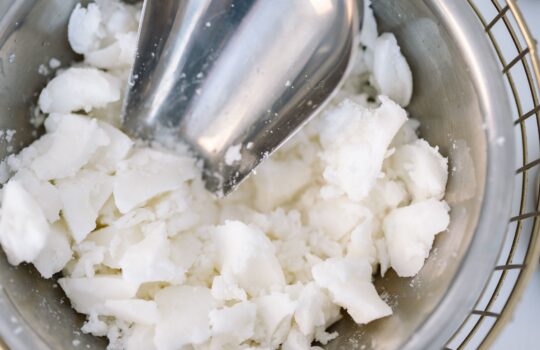
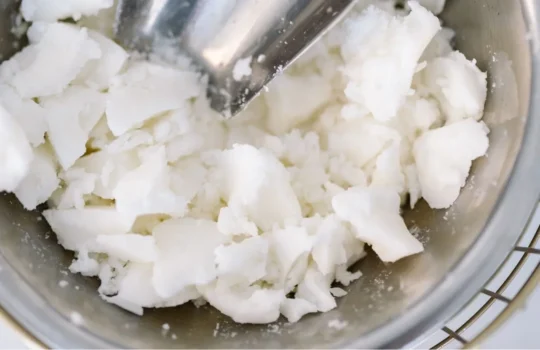
CPW 42, CPW 52, and CPW 70 are different grades of Chlorinated Paraffin Wax classified by chlorine content. CPW 42 is ideal for flexible PVC products, CPW 52 is best for general industrial applications, while CPW 70 is preferred for high flame-retardant and chemical-resistant formulations. Choosing the right grade depends on flexibility, thermal stability, and end-use requirements.
Industries such as PVC manufacturing, cables, rubber, paints, adhesives, and coatings rely heavily on Chlorinated Paraffin Wax (CPW) for improved product performance and cost efficiency. However, selecting the wrong CPW grade can affect flexibility, flame resistance, durability, and processing quality.
This guide compares CPW 42, CPW 52, and CPW 70 in detail to help manufacturers choose the most suitable grade for their application.
What Is Chlorinated Paraffin Wax (CPW)?
Chlorinated Paraffin Wax (CPW) is a chlorinated hydrocarbon widely used as:
- A secondary plasticizer
- A flame retardant
- A viscosity modifier
- A chemical-resistant additive
CPW is commonly used in:
- PVC compounds
- Rubber manufacturing
- Adhesives and sealants
- Paints and coatings
- Metalworking fluids
- Cable compounds
The properties of CPW mainly depend on its chlorine percentage, which directly impacts flexibility, flame resistance, and compatibility.
Why CPW Grades Matter in Industrial Applications
Different industries require different performance characteristics. A flexible PVC cable compound may need softer plasticization, while industrial coatings may require stronger flame resistance.
Selecting the correct CPW grade helps manufacturers achieve:
- Better product durability
- Improved flame retardancy
- Higher processing efficiency
- Enhanced chemical resistance
- Cost optimization
This is why understanding the difference between CPW 42, CPW 52, and CPW 70 is important before finalizing industrial formulations.
CPW 42: Best for Flexible PVC Applications
CPW 42 contains approximately 42% chlorine content and is primarily used where flexibility and softness are important.
Common Applications of CPW 42
- Flexible PVC cables
- Footwear compounds
- Artificial leather
- PVC flooring
- Flexible hoses and tubing
- Soft PVC sheets
Key Advantages of CPW 42
- Excellent flexibility
- Better low-temperature performance
- Improved softness in PVC products
- Good compatibility with plasticizers
- Cost-effective formulation support
Industries That Commonly Use CPW 42
Industries manufacturing flexible PVC products and soft polymer compounds generally prefer CPW 42 because it maintains elasticity without making products too rigid.
CPW 52: The Most Widely Used Industrial Grade
CPW 52 contains around 52% chlorine content and is considered the standard industrial-grade chlorinated paraffin wax due to its balanced properties.
Common Applications of CPW 52
- PVC compounds
- Wire and cable insulation
- Rubber products
- Paints and coatings
- Adhesives and sealants
- Industrial flooring compounds
Key Advantages of CPW 52
- Excellent flame retardancy
- Balanced flexibility and durability
- Better chemical resistance
- High compatibility with PVC resins
- Stable processing performance
Why CPW 52 Is Popular
CPW 52 offers the right balance between flexibility and flame resistance, making it suitable for multiple industries. It is one of the most commonly used grades in PVC processing and cable manufacturing.
CPW 70: High Flame Retardancy for Specialized Applications
CPW 70 contains nearly 70% chlorine content and is mainly used in applications requiring superior flame resistance and thermal stability.
Common Applications of CPW 70
- Fire-resistant coatings
- Industrial sealants
- Specialty rubber compounds
- Extreme flame-retardant formulations
- High-performance industrial products
Key Advantages of CPW 70
- Very high flame resistance
- Excellent chemical stability
- Improved thermal resistance
- Better performance in specialized formulations
Industries That Prefer CPW 70
Industries with strict fire safety requirements often use CPW 70 in formulations where enhanced flame-retardant properties are essential.
CPW 42 vs CPW 52 vs CPW 70: Detailed Comparison
| Property | CPW 42 | CPW 52 | CPW 70 |
|---|---|---|---|
| Chlorine Content | ~42% | ~52% | ~70% |
| Flexibility | High | Medium | Low |
| Flame Retardancy | Moderate | High | Very High |
| Chemical Resistance | Moderate | High | Very High |
| Thermal Stability | Moderate | High | Excellent |
| PVC Compatibility | Excellent | Excellent | Moderate |
| Best For | Flexible PVC | General Industrial Use | Specialized Flame Retardancy |
Which CPW Grade Should You Choose?
The right CPW grade depends entirely on your production and application requirements.
Choose CPW 42 If:
- You need flexible PVC products
- Softness and elasticity are important
- Your application requires better low-temperature flexibility
Choose CPW 52 If:
- You want balanced industrial performance
- Flame resistance and durability are both important
- You manufacture cables, PVC compounds, or rubber products
Choose CPW 70 If:
- Your formulation requires very high flame retardancy
- Chemical resistance is critical
- You manufacture specialty industrial products
Manufacturers should also consider:
- Processing temperature
- Compatibility with additives
- Product safety standards
- Final product durability
- Industry compliance requirements
Factors to Consider Before Selecting a CPW Grade
Before finalizing a chlorinated paraffin grade, industries should evaluate:
1. Flame Retardant Requirements
Applications with strict fire safety standards usually require higher chlorine content.
2. Product Flexibility
Flexible PVC products typically perform better with lower chlorine grades like CPW 42.
3. Chemical Exposure
Products exposed to chemicals or industrial environments may require CPW 52 or CPW 70.
4. Processing Efficiency
The right grade improves production consistency and formulation stability.
5. Cost Optimization
Using the correct CPW grade helps reduce formulation costs without affecting performance.
Read More: https://thesuntek.com/5-common-cpw-buyer-mistakes-and-how-to-avoid-them/
Why Quality Matters When Buying Chlorinated Paraffin Wax
The quality of CPW directly impacts:
- Product lifespan
- Flame-retardant performance
- Manufacturing efficiency
- Stability during processing
Poor-quality chlorinated paraffin wax can lead to inconsistent formulations, reduced durability, and production issues.
This is why industries prefer experienced and reliable CPW manufacturers that maintain strict quality standards and consistent chlorine content.
Looking for a Reliable CPW Manufacturer?
Suntek Group is a trusted manufacturer and supplier of high-quality Chlorinated Paraffin Wax for industries including PVC, rubber, paints, coatings, adhesives, and cable manufacturing.
Whether you need CPW 42 for flexible PVC products, CPW 52 for industrial formulations, or CPW 70 for high flame-retardant applications, Suntek Group offers consistent quality, bulk supply support, and application-specific solutions tailored to your industry requirements.
Contact Suntek Group today to find the right chlorinated paraffin wax grade for your application.