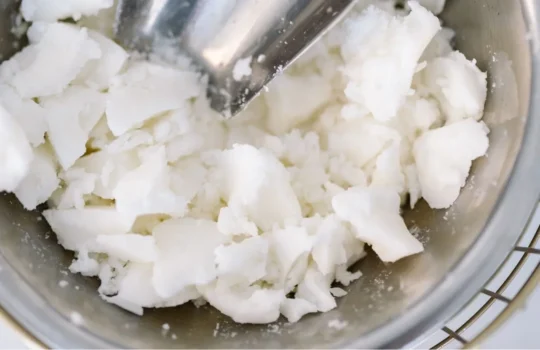
Why Chlorinated Paraffin Wax Is Widely Used in Manufacturing
Chlorinated paraffin wax (CPW) is widely used in manufacturing because it serves multiple functions in a single additive. It acts as a flame retardant, secondary plasticizer, lubricant, and extreme-pressure additive, helping manufacturers improve product durability, processing efficiency, and cost-effectiveness. Industries such as PVC, rubber, paints, adhesives, textiles, and metalworking rely on CPW to enhance product performance while meeting demanding industrial requirements.
Manufacturers today are constantly looking for raw materials that improve product quality, streamline production, and reduce manufacturing costs. Among the many industrial additives available, chlorinated paraffin wax (CPW) has become one of the most widely used due to its versatility and performance.
Whether it is improving the flexibility of PVC products, enhancing flame resistance in construction materials, or extending tool life in metalworking operations, chlorinated paraffin wax plays an essential role across multiple industries.
This guide explains why chlorinated paraffin wax is so widely used, its key benefits, major applications, and what manufacturers should consider before selecting the right grade.
What Is Chlorinated Paraffin Wax?
Chlorinated paraffin wax is produced by chlorinating paraffin hydrocarbons, resulting in a highly stable industrial chemical available in different chlorine concentrations and viscosity grades.
Depending on the application, manufacturers choose specific grades that provide the right balance of:
- Flame retardancy
- Plasticizing properties
- Lubrication
- Chemical resistance
- Thermal stability
- Processing efficiency
Because it performs multiple functions simultaneously, CPW has become an important additive in modern manufacturing.
Read More: https://thesuntek.com/cpw-grades-guide/
Why Is Chlorinated Paraffin Wax Widely Used in Manufacturing?
Several industries depend on chlorinated paraffin wax because it improves both manufacturing efficiency and final product performance.
1. Excellent Flame Retardant Properties
One of the primary reasons manufacturers use chlorinated paraffin wax is its ability to improve fire resistance.
When incorporated into PVC compounds, rubber products, coatings, and construction materials, it helps reduce flammability without significantly affecting mechanical properties.
This makes it particularly valuable in industries where fire safety standards are critical.
2. Cost-Effective Secondary Plasticizer
In PVC manufacturing, chlorinated paraffin wax functions as a secondary plasticizer.
It enhances flexibility while reducing the requirement for more expensive primary plasticizers. As a result, manufacturers can optimize formulation costs without compromising product quality.
For large-scale production facilities, these savings become substantial over time.
3. Improves Processing Efficiency
During manufacturing, excessive friction and heat can slow production and increase equipment wear.
Chlorinated paraffin wax provides excellent lubrication during processing by:
- Improving material flow
- Reducing processing friction
- Lowering machine wear
- Supporting consistent production quality
This contributes to smoother operations and reduced maintenance costs.
4. High Chemical and Thermal Stability
Industrial products often face exposure to oils, moisture, chemicals, and fluctuating temperatures.
Chlorinated paraffin wax offers excellent stability under these demanding conditions, allowing finished products to retain their performance over extended periods.
5. Enhances Product Durability
CPW improves resistance to:
- Abrasion
- Chemicals
- Oils
- Environmental exposure
- Mechanical stress
This results in longer-lasting industrial products with improved reliability.
Why Manufacturers Prefer Chlorinated Paraffin Wax Over Other Additives
One reason chlorinated paraffin wax remains popular is that it performs several functions at once.
Instead of using separate additives for lubrication, flame retardancy, and plasticization, manufacturers can often achieve multiple performance improvements with a single ingredient.
Additional advantages include:
- Lower overall formulation costs
- Excellent compatibility with PVC compounds
- Consistent industrial performance
- Easy incorporation into manufacturing processes
- Long storage life
- Availability in multiple industrial grades
For manufacturers seeking both performance and cost efficiency, CPW offers an excellent balance.
Common Applications of Chlorinated Paraffin Wax
Because of its versatility, chlorinated paraffin wax is used across numerous manufacturing sectors.
PVC Manufacturing
CPW is widely used in:
- PVC pipes
- Flexible cables
- Flooring
- Artificial leather
- Profiles
- Sheets
- Films
Its plasticizing and flame-retardant properties make it especially valuable in PVC formulations.
Rubber Industry
Rubber manufacturers use chlorinated paraffin wax to improve:
- Flexibility
- Chemical resistance
- Oil resistance
- Processability
It is commonly found in hoses, seals, industrial rubber products, and gaskets.
Metalworking Fluids
CPW serves as an extreme-pressure additive in:
- Cutting oils
- Machining lubricants
- Metalworking fluids
Benefits include:
- Reduced friction
- Longer tool life
- Better machining performance
- Improved surface finish
Paints and Protective Coatings
Industrial coating manufacturers use chlorinated paraffin wax to enhance:
- Water resistance
- Chemical resistance
- Durability
- Flame resistance
These characteristics help protect industrial equipment and infrastructure from harsh operating environments.
Adhesives and Sealants
Adhesive manufacturers incorporate CPW to improve flexibility, processing characteristics, and long-term durability.
Textile and Leather Processing
Certain textile and leather manufacturing processes use chlorinated paraffin wax to improve processing efficiency and product performance.
Chlorinated Paraffin Wax vs Conventional Plasticizers
| Feature | Chlorinated Paraffin Wax | Conventional Plasticizers |
|---|---|---|
| Flame Retardancy | Excellent | Limited |
| Lubrication | Yes | Minimal |
| Cost Efficiency | High | Moderate |
| Chemical Resistance | Excellent | Moderate |
| PVC Compatibility | Excellent | Good |
| Multi-functional Performance | Yes | Usually Single Function |
Because chlorinated paraffin wax combines multiple performance benefits, many manufacturers consider it a practical and economical solution for industrial formulations.
Factors to Consider Before Buying Chlorinated Paraffin Wax
Choosing the right grade is essential for achieving consistent manufacturing performance.
Before purchasing, evaluate the following:
Chlorine Content
Different chlorine percentages are designed for different industrial applications.
Viscosity
The viscosity should match your processing requirements and formulation.
Product Purity
Higher purity helps ensure consistent product quality and minimizes processing issues.
Thermal Stability
Select a grade that performs well under your operating temperatures.
End Application
PVC, rubber, coatings, adhesives, and metalworking fluids often require different CPW grades.
Packaging and Supply Consistency
Reliable packaging, timely deliveries, and batch-to-batch consistency are critical for uninterrupted production.
Technical Support
An experienced supplier can recommend suitable grades based on your manufacturing requirements.
Why Product Quality Matters
Not all chlorinated paraffin wax products deliver the same performance.
High-quality CPW should offer:
- Consistent chlorine content
- Stable viscosity
- Low impurity levels
- Excellent compatibility with industrial formulations
- Reliable batch-to-batch consistency
Working with a trusted supplier helps manufacturers maintain product quality, reduce production variability, and improve operational efficiency.
Frequently Asked Questions
What is chlorinated paraffin wax used for?
Chlorinated paraffin wax is used as a flame retardant, secondary plasticizer, lubricant, and extreme-pressure additive in industries including PVC manufacturing, rubber processing, paints, coatings, adhesives, textiles, and metalworking.
Why is chlorinated paraffin wax preferred in PVC manufacturing?
It improves flexibility, enhances flame resistance, reduces formulation costs, and supports smoother processing, making it one of the most widely used additives in PVC production.
Is chlorinated paraffin wax suitable for industrial manufacturing?
Yes. Its versatility, chemical stability, durability, and compatibility with multiple formulations make it suitable for a wide range of industrial manufacturing applications.
Conclusion
Chlorinated paraffin wax has become an indispensable industrial additive because it delivers multiple performance benefits within a single formulation. From improving flame resistance and flexibility to enhancing lubrication and reducing production costs, it helps manufacturers produce high-quality products more efficiently.
Its broad range of applications across PVC, rubber, coatings, adhesives, textiles, and metalworking industries demonstrates why it remains a preferred choice for modern manufacturing. By selecting the appropriate grade and working with a reliable supplier, manufacturers can ensure consistent quality, improved production efficiency, and long-term product performance.
If you’re looking for experienced Chlorinated Paraffin Wax manufacturers, Suntek Group offers high-quality industrial chemical solutions backed by consistent quality standards, dependable supply, and technical expertise to help manufacturers achieve reliable and efficient production.