Sodium Hypochlorite for Sterilization: Uses, Benefits, and Best Practices
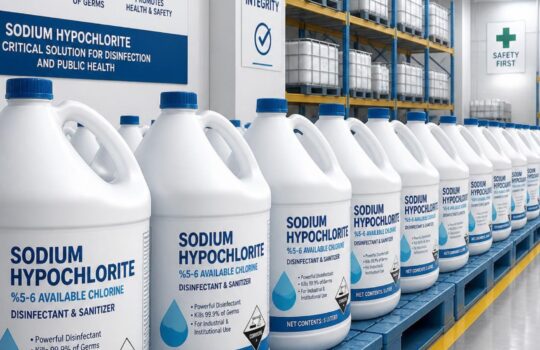
Sodium hypochlorite is one of the most widely used disinfectants for sterilization and surface decontamination. It effectively kills bacteria, viruses, fungi, and many other harmful microorganisms, making it an essential solution for healthcare facilities, laboratories, water treatment plants, food processing units, and households. However, proper concentration, application, and handling are crucial for achieving effective sterilization while ensuring safety.
What Is Sodium Hypochlorite?
Sodium hypochlorite (NaOCl) is a chlorine-based chemical compound commonly available in liquid form. It is best known as the active ingredient in bleach and is valued for its powerful antimicrobial properties.
When diluted correctly, sodium hypochlorite releases hypochlorous acid (HOCl), which destroys the cell walls of microorganisms, making it highly effective against a wide range of pathogens.
Because of its affordability, effectiveness, and ease of use, sodium hypochlorite remains one of the most trusted disinfectants worldwide.
How Does Sodium Hypochlorite Sterilize Surfaces?
Sodium hypochlorite works by oxidizing proteins and enzymes inside microorganisms. This process damages their cellular structure, preventing them from surviving or reproducing.
Its broad-spectrum antimicrobial activity makes it effective against:
- Bacteria
- Viruses
- Fungi
- Mold
- Certain bacterial spores
- Algae
Unlike some disinfectants that target only specific microorganisms, sodium hypochlorite offers comprehensive protection when used according to recommended guidelines.
Common Uses of Sodium Hypochlorite for Sterilization
Sodium hypochlorite is used across numerous industries where hygiene and contamination control are critical.
Healthcare Facilities
Hospitals and clinics use diluted sodium hypochlorite to disinfect:
- Floors
- Walls
- Patient rooms
- Medical equipment (where appropriate)
- Laboratory surfaces
- High-touch areas
Routine disinfection helps reduce the spread of healthcare-associated infections.
Water Treatment
One of the most important applications is drinking water and wastewater disinfection.
Sodium hypochlorite eliminates harmful microorganisms in water supplies while helping maintain safe water quality for public and industrial use.
Read More: https://thesuntek.com/sodium-hypochlorite-vs-bleaching-powder/
Food Processing Industry
Food manufacturers use sodium hypochlorite for sanitizing:
- Processing equipment
- Food preparation surfaces
- Storage areas
- Packaging facilities
Proper sanitation helps minimize contamination risks and supports food safety standards.
Laboratories
Research laboratories use sodium hypochlorite for disinfecting benches, instruments, biological waste containers, and spill areas where microbial contamination may occur.
Household Cleaning
Many household disinfectants contain sodium hypochlorite to sanitize:
- Kitchens
- Bathrooms
- Floors
- Laundry
- Frequently touched surfaces
It is particularly useful during seasonal outbreaks of infectious diseases.
Recommended Sodium Hypochlorite Concentrations
Different sterilization tasks require different concentrations. Using excessive concentrations does not always improve effectiveness and may damage surfaces.
| Application | Typical Concentration |
|---|---|
| General surface cleaning | 0.05%–0.1% |
| High-risk healthcare surfaces | 0.1%–0.5% |
| Blood spill disinfection | Up to 1% |
| Water treatment | As per regulatory standards |
Always follow local regulations, manufacturer recommendations, and workplace safety protocols before preparing or using sodium hypochlorite solutions.
Benefits of Using Sodium Hypochlorite for Sterilization
Sodium hypochlorite continues to be widely adopted because it offers several practical advantages.
Broad-Spectrum Effectiveness
It destroys many types of harmful microorganisms, making it suitable for diverse sterilization applications.
Fast Action
When applied correctly, sodium hypochlorite begins killing pathogens within minutes, helping reduce contamination quickly.
Cost-Effective Solution
Compared with many specialized disinfectants, sodium hypochlorite provides reliable disinfection at a relatively low cost.
Easy Availability
Its widespread production and distribution make it accessible for industrial, commercial, healthcare, and domestic applications.
Suitable for Large Areas
Large facilities such as hospitals, factories, schools, and water treatment plants often rely on sodium hypochlorite because it can efficiently disinfect extensive surface areas.
Safety Guidelines for Using Sodium Hypochlorite
Although highly effective, sodium hypochlorite must be handled responsibly.
Follow these safety practices:
- Wear appropriate gloves and protective eyewear.
- Prepare fresh diluted solutions whenever possible.
- Store in a cool, shaded location away from direct sunlight.
- Never mix sodium hypochlorite with acids or ammonia, as dangerous gases can form.
- Keep containers tightly sealed when not in use.
- Ensure proper ventilation during application.
Correct handling protects both users and the effectiveness of the disinfectant.
Read More: https://thesuntek.com/best-practices-for-storing-sodium-hypochlorite-safely/
Limitations to Consider
Like any disinfectant, sodium hypochlorite has certain limitations.
Organic matter such as dirt, grease, or blood can reduce its effectiveness if surfaces are not cleaned beforehand.
The solution may also corrode certain metals after prolonged exposure and can discolor fabrics or sensitive materials. Additionally, diluted solutions gradually lose strength over time, making fresh preparation important for critical sterilization tasks.
Understanding these limitations helps ensure optimal performance and safe usage.
Choosing High-Quality Sodium Hypochlorite
The effectiveness of sodium hypochlorite depends not only on correct application but also on product quality and consistency.
When selecting a supplier, consider:
- Stable and consistent concentration
- Compliance with industry quality standards
- Reliable manufacturing processes
- Proper packaging and storage
- Timely supply for industrial requirements
Working with an experienced manufacturer helps ensure dependable performance across healthcare, industrial, and water treatment applications.
Conclusion
Sodium hypochlorite remains one of the most effective, affordable, and widely trusted disinfectants for sterilization. Its ability to eliminate bacteria, viruses, fungi, and other harmful microorganisms makes it indispensable across healthcare, water treatment, food processing, laboratories, and numerous industrial sectors. When used at the appropriate concentration and following recommended safety practices, it provides reliable protection while supporting high hygiene standards.
For businesses seeking dependable chemical solutions, Suntek Group delivers high-quality products backed by industry expertise. If you’re looking for trusted sodium hypochlorite manufacturers in India, connect with Suntek Group to explore reliable solutions tailored to your industrial and commercial sterilization requirements.