Sodium Hypochlorite vs Bleaching Powder: Which is Better for Water Disinfection?
Clean and safe water is essential for public health, industrial use, and everyday consumption. Two of the most widely used disinfectants are Sodium Hypochlorite and Bleaching Powder. But when it comes to effectiveness, safety, and usability—which one is actually better?
This guide breaks down the differences clearly so you can choose the right option based on your needs.
What Is Sodium Hypochlorite?
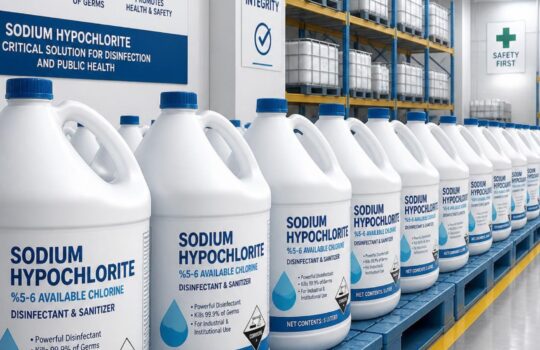
Sodium Hypochlorite is a liquid chemical solution commonly used for water purification, sanitation, and industrial cleaning.
Key Characteristics:
- Typically available as a liquid solution (10–15% concentration)
- Fast-acting disinfectant
- Commonly used in municipal water treatment plants
- Also found in household bleach
How It Works:
It releases chlorine in water, which destroys bacteria, viruses, and other harmful microorganisms through oxidation.
What Is Bleaching Powder?
Bleaching Powder is a white powder made from calcium compounds and chlorine.
Key Characteristics:
- Solid form (powder or granules)
- Contains around 30–35% available chlorine
- Widely used in rural and emergency water treatment
- Has a strong chlorine odor
How It Works:
When mixed with water, it releases chlorine slowly, disinfecting water over time.
Sodium Hypochlorite vs Bleaching Powder: Quick Comparison
| Factor | Sodium Hypochlorite | Bleaching Powder |
|---|---|---|
| Form | Liquid | Powder |
| Ease of Use | Easy to dose and mix | Requires careful preparation |
| Stability | Less stable (degrades over time) | More stable in dry form |
| Chlorine Release | Immediate | Gradual |
| Storage | Needs sealed containers | Easier to store dry |
| Application | Urban & industrial | Rural & emergency use |
Which Is More Effective for Water Disinfection?
1. Speed of Disinfection
- Sodium Hypochlorite works faster because chlorine is immediately available.
- Bleaching Powder releases chlorine more slowly.
👉 Winner: Sodium Hypochlorite
2. Ease of Handling
- Liquid solutions are easier to measure and dose.
- Powder requires mixing, and incorrect handling can reduce effectiveness.
👉 Winner: Sodium Hypochlorite
3. Shelf Life and Stability
- Sodium hypochlorite degrades when exposed to light and heat.
- Bleaching powder is more stable when stored properly in dry conditions.
👉 Winner: Bleaching Powder
4. Safety and Risk
- Sodium hypochlorite is safer to handle in controlled doses.
- Bleaching powder can release toxic chlorine gas if mishandled.
👉 Winner: Sodium Hypochlorite (in controlled environments)
5. Cost and Accessibility
- Bleaching powder is cheaper and widely available in rural areas.
- Sodium hypochlorite may require more controlled supply chains.
👉 Winner: Bleaching Powder
When Should You Use Sodium Hypochlorite?
Choose sodium hypochlorite when:
- You need accurate dosing and fast results
- You’re treating water in urban systems or industries
- You require consistent and controlled disinfection
It is widely preferred in:
- Municipal water treatment plants
- Hospitals and sanitation systems
- Food processing industries
When Should You Use Bleaching Powder?
Choose bleaching powder when:
- You need a low-cost solution
- You’re working in rural or remote areas
- Storage and transport conditions are challenging
It is commonly used in:
- Emergency water purification
- Rural water supply systems
- Temporary sanitation setups
Common Mistakes to Avoid
- Overdosing chlorine: Can make water unsafe for consumption
- Improper storage: Reduces effectiveness, especially for sodium hypochlorite
- Incorrect mixing: Particularly risky with bleaching powder
Always follow recommended guidelines for safe and effective disinfection.
Which Is Better Overall?
Sodium hypochlorite is generally better for water disinfection due to its fast action, ease of use, and precise dosing. However, bleaching powder is a cost-effective and stable alternative, especially in rural or emergency situations where storage and accessibility are key factors.
Final Thoughts
Both disinfectants serve important roles in water treatment. The “better” option depends on your specific use case:
- For efficiency and control → Sodium Hypochlorite
- For affordability and storage → Bleaching Powder
Choosing the Right Solution for Your Needs
If you’re looking for a reliable and high-quality Sodium Hypochlorite solution for water treatment, industrial use, or sanitation, partnering with an experienced manufacturer matters.
Suntek Group offers consistent, industry-grade chemical solutions designed for effective and safe disinfection across multiple applications.
👉 Choose quality. Choose reliability. Choose the right solution for cleaner, safer water.