Sodium Hypochlorite for Industrial Disinfection: Applications and Best Practices
Sodium hypochlorite is widely used for industrial disinfection because it provides effective microbial control, is relatively easy to handle, and can be applied across water treatment, food processing, healthcare, and manufacturing environments. Its effectiveness depends on correct concentration, contact time, application method, and safe handling.
What Is Sodium Hypochlorite and How Does It Work?
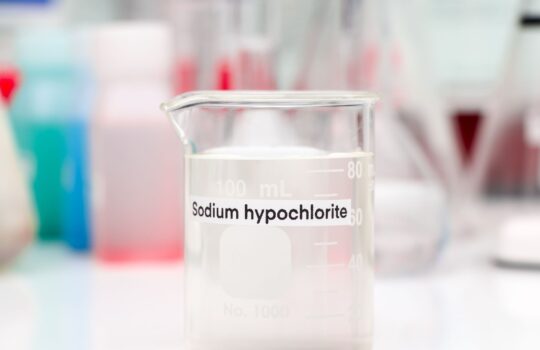
Sodium hypochlorite (NaOCl) is a chlorine-based chemical commonly supplied as an aqueous solution. When added to water, it forms hypochlorous acid (HOCl), the primary active disinfecting species responsible for inactivating bacteria, viruses, fungi, and other microorganisms.
Its effectiveness is influenced by factors such as concentration, pH, temperature, organic matter, and contact time. For industrial applications, controlling these variables is essential to achieve reliable disinfection without unnecessary chemical consumption.
Where Is Sodium Hypochlorite Used for Industrial Disinfection?
Sodium hypochlorite has applications across several industries because of its broad-spectrum antimicrobial properties.
1. Water and Wastewater Treatment
One of the most common applications is disinfecting drinking water, process water, and treated wastewater. Sodium hypochlorite can help control pathogenic microorganisms before water enters a distribution system or is discharged after treatment.
It is also used in industrial water systems to control microbial growth and maintain hygienic conditions.
2. Food and Beverage Processing
Food processing facilities use sodium hypochlorite solutions for sanitizing suitable equipment, surfaces, processing areas, and water systems. Properly controlled concentrations can help reduce microbial contamination and support hygiene protocols.
Because excessive chlorine can affect product quality and create unwanted residues, application must follow the facility’s sanitation procedures and applicable regulations.
3. Healthcare and Institutional Facilities
Sodium hypochlorite-based disinfectants are used for cleaning and disinfecting selected surfaces and areas where microbial contamination is a concern. Healthcare environments may use appropriately formulated chlorine solutions for specific infection-control applications.
The concentration and application method should always be selected according to the intended surface, contamination level, and relevant healthcare or regulatory guidance.
4. Industrial and Manufacturing Facilities
Manufacturing facilities can use sodium hypochlorite to disinfect process areas, tanks, pipelines, equipment, and water systems where chlorine-based treatment is appropriate. It can be particularly useful where maintaining microbial control is important for product quality or operational hygiene.
Read more: https://thesuntek.com/sodium-hypochlorite-uses-across-different-industries/
What Are the Best Practices for Using Sodium Hypochlorite?
Effective disinfection depends on more than simply applying a chlorine solution. The following practices help improve performance and safety.
Use the Correct Concentration
The required sodium hypochlorite concentration depends on the application, microbial risk, surface, and regulatory requirements. Using a concentration that is too low may result in inadequate disinfection, while excessive concentrations can increase corrosion, chemical consumption, and handling risks.
Always follow the manufacturer’s product specifications and the requirements applicable to the specific industry.
Allow Adequate Contact Time
The disinfectant needs sufficient contact with the target surface or water to achieve the desired microbial reduction. Rinsing or removing the solution too quickly can reduce effectiveness.
Contact time should therefore be established as part of the site’s standard operating procedure rather than relying on application alone.
Monitor pH and Water Conditions
pH significantly affects chlorine chemistry. Hypochlorous acid generally provides stronger disinfecting activity than hypochlorite ions, so maintaining appropriate conditions can improve treatment efficiency.
Water temperature, organic load, turbidity, and other contaminants can also affect chlorine demand. Industrial systems should therefore monitor relevant parameters where consistent disinfection is critical.
Store Sodium Hypochlorite Correctly
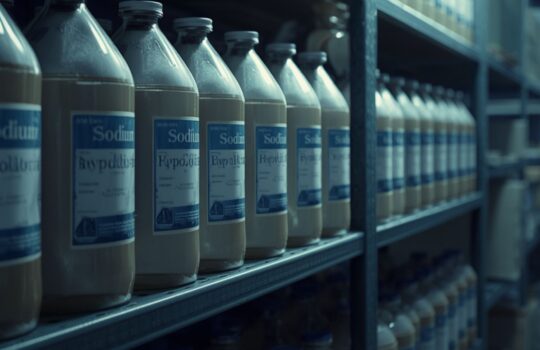
Sodium hypochlorite gradually loses strength during storage, particularly when exposed to heat, sunlight, and unsuitable storage conditions. It should be kept in compatible, properly labelled containers in a cool, well-ventilated area away from incompatible chemicals.
Storage procedures should also account for the solution’s corrosive nature.
Read more: https://thesuntek.com/best-practices-for-storing-sodium-hypochlorite-safely/
How Can Sodium Hypochlorite Be Used Safely?
Safety is a critical consideration because concentrated sodium hypochlorite can irritate or damage skin, eyes, and respiratory tissues. Personnel should use appropriate personal protective equipment and follow the product’s safety data sheet.
Sodium hypochlorite should never be mixed with acids or ammonia-containing products, as dangerous gases can be released. Dedicated chemical storage, controlled dosing systems, ventilation, labelling, and employee training can significantly reduce handling risks.
Automated dosing can also improve consistency by controlling the amount of disinfectant introduced into a treatment system rather than relying on manual measurement.
How Should Industrial Sodium Hypochlorite Be Selected?
Selecting the right product requires more than comparing concentration or price. Buyers should consider solution strength, purity requirements, intended application, packaging, storage stability, quality consistency, and supplier reliability.
For industrial users, working with experienced Sodium Hypochlorite manufacturers can help ensure consistent product quality and technical suitability for the intended application. Documentation such as specifications, safety data sheets, batch information, and quality certificates may also be important depending on the industry.
Why Is Proper Dosing Important for Industrial Disinfection?
Correct dosing helps balance microbial control, operational efficiency, safety, and chemical consumption. Under-dosing may fail to achieve the required level of disinfection, while over-dosing can increase costs and potentially contribute to corrosion, unwanted by-products, or environmental concerns.
Industrial facilities should establish dosing procedures based on their water quality, contamination risk, system design, and applicable standards. Regular monitoring and adjustment can help maintain consistent treatment performance.
Conclusion
Sodium hypochlorite remains an important industrial disinfectant because of its broad antimicrobial activity and versatility across water treatment, food processing, healthcare, and manufacturing. Its performance depends on appropriate concentration, contact time, water conditions, storage, dosing, and safe handling. For reliable results, businesses should follow application-specific procedures and source consistent-quality products from reputable Sodium Hypochlorite manufacturers. Partner with Suntek Group for industrial sodium hypochlorite solutions designed to support reliable disinfection and water-treatment requirements.