Why CPE is Preferred for Outdoor Rubber Applications
Outdoor rubber products are constantly exposed to harsh environmental conditions such as sunlight, moisture, ozone, chemicals, and temperature fluctuations. To perform reliably in these demanding environments, manufacturers need materials that offer long-term durability without compromising flexibility or safety.
Chlorinated Polyethylene is preferred for outdoor rubber applications because it provides excellent weather resistance, UV and ozone stability, chemical protection, flexibility across temperatures, and long service life. These properties make CPE a reliable material for industries such as construction, automotive, electrical, and industrial manufacturing.
What is CPE?
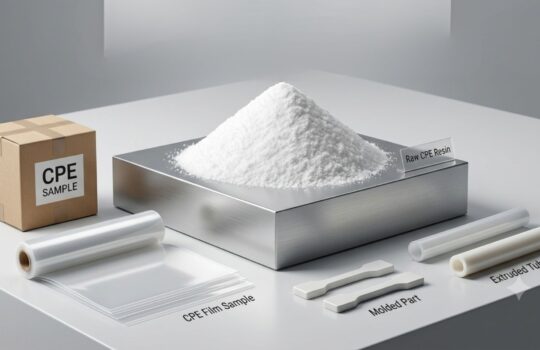
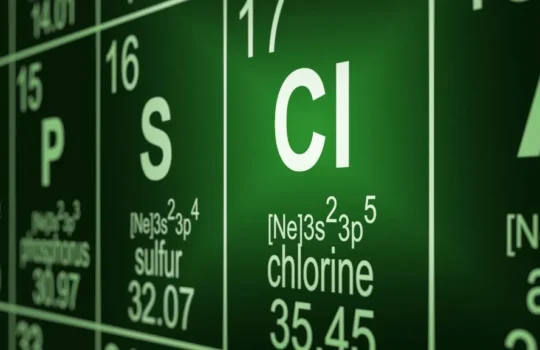
Chlorinated Polyethylene (CPE) is a high-performance synthetic elastomer produced by chlorinating polyethylene. The chlorination process improves the material’s resistance to environmental stress, heat, chemicals, and aging while maintaining flexibility and impact strength.
Because of this balanced performance, CPE is widely used in:
- Roofing membranes
- Outdoor cable jacketing
- Automotive rubber components
- Industrial hoses
- Waterproof sheets
- Conveyor belts
- Protective coatings and liners
Its versatility makes it one of the most dependable materials for outdoor rubber products.
Why Outdoor Rubber Applications Require Durable Materials
Outdoor rubber applications operate in environments where materials face continuous stress. Over time, poor-quality rubber can crack, harden, fade, or lose elasticity due to exposure to:
- UV radiation
- Ozone in the atmosphere
- Rain and moisture
- Extreme heat and cold
- Industrial chemicals
- Mechanical wear and abrasion
This is why industries increasingly prefer advanced elastomer compounds like CPE that offer long-term outdoor durability and stable performance.
Excellent Weather Resistance
One of the biggest reasons CPE is preferred for outdoor use is its outstanding weather resistance.
Unlike many traditional rubber materials, CPE can withstand prolonged exposure to sunlight, rain, humidity, and air pollutants without rapid degradation. It maintains its flexibility and mechanical strength even after years of outdoor exposure.
This makes CPE ideal for applications such as:
- Roofing systems
- Outdoor sealing products
- Waterproof membranes
- Cable insulation
- Industrial protective covers
For manufacturers, this means reduced maintenance, fewer product failures, and longer service life.
Superior UV and Ozone Stability
Outdoor rubber products are highly vulnerable to UV rays and ozone attack. Many conventional rubber compounds develop surface cracks and become brittle when exposed to these conditions for extended periods.
CPE offers excellent resistance to both UV radiation and ozone degradation. Its stable polymer structure helps preserve elasticity and appearance even in harsh climates.
This property is especially important for:
- Automotive weather strips
- Outdoor electrical cables
- Construction materials
- Rubber seals and gaskets
The ability to maintain long-term outdoor performance is one of the key reasons why industries continue to adopt CPE-based compounds.
Strong Chemical Resistance
Outdoor industrial environments often expose rubber products to oils, acids, alkalis, and industrial chemicals. Materials with poor chemical resistance can deteriorate quickly, leading to safety and operational issues.
CPE performs exceptionally well in chemically demanding environments because it resists:
- Industrial oils
- Corrosive chemicals
- Acids and alkalis
- Cleaning agents and solvents
This makes it suitable for:
- Industrial hoses
- Conveyor systems
- Protective liners
- Cable sheathing
- Chemical-resistant rubber products
Its chemical stability helps improve product reliability and operational safety.
Flexibility Across Wide Temperature Ranges
Outdoor applications require materials that can perform consistently in both high and low temperatures.
Some rubber compounds become too rigid in cold climates or soften excessively in heat. CPE maintains flexibility and mechanical stability across varying weather conditions, making it suitable for year-round outdoor use.
This is particularly beneficial for industries that require dependable elastomer performance in changing climates and industrial environments.
Flame Retardant Properties
Another major advantage of CPE is its inherent flame-retardant characteristics.
Many outdoor electrical and industrial applications require materials that meet fire safety standards while still offering durability and flexibility. CPE compounds can enhance fire resistance without significantly affecting performance.
Because of this, CPE is commonly used in:
- Wire and cable insulation
- Industrial safety products
- Electrical coverings
- Protective rubber compounds
Its flame-retardant nature adds an additional layer of safety for critical applications.
CPE vs Traditional Rubber Materials
Compared to conventional rubber compounds, CPE provides a more balanced combination of outdoor durability, flexibility, and environmental resistance.
| Property | CPE | Traditional Rubber |
|---|---|---|
| UV Resistance | Excellent | Moderate |
| Ozone Resistance | Excellent | Lower |
| Weather Durability | High | Moderate |
| Chemical Resistance | Strong | Varies |
| Flame Resistance | Good | Limited |
| Outdoor Lifespan | Longer | Shorter |
This combination of properties makes CPE a preferred material for manufacturers looking to improve long-term outdoor performance.
Common Outdoor Applications of CPE
Roofing and Waterproofing Systems
CPE membranes are widely used in roofing and waterproofing because they offer long-term resistance to weather and moisture.
Automotive Components
Weather strips, hoses, seals, and under-the-hood rubber components benefit from CPE’s resistance to heat, ozone, and aging.
Wire and Cable Industry
Outdoor cables require insulation materials that can withstand UV rays, chemicals, and moisture. CPE is commonly used for cable jacketing and sheathing because of its durability and flame resistance.
Industrial Rubber Products
Conveyor belts, liners, gaskets, and protective coverings use CPE to improve performance in demanding industrial environments.
Why Manufacturers Prefer CPE
Manufacturers prefer CPE because it delivers reliable performance while supporting product longevity and cost efficiency. It can also be blended with other elastomers to create customized rubber compounds for specific industrial requirements.
Its ability to balance durability, flexibility, safety, and environmental resistance makes it a dependable solution for modern outdoor applications.
Conclusion
CPE has become one of the most trusted materials for outdoor rubber applications due to its excellent resistance to weather, UV radiation, ozone, chemicals, and temperature fluctuations. Its durability, flexibility, and long-term stability make it ideal for industries that require reliable outdoor rubber performance.
As industries continue to demand high-performance elastomer solutions, CPE remains a preferred choice for applications where long service life and environmental resistance are essential.
If you are looking for dependable material solutions for outdoor rubber manufacturing, Suntek Group supports industries with high-quality rubber compounds and reliable sourcing solutions from experienced chlorinated polyethylene suppliers.