Key Difference – Sodium Chlorite vs Sodium Hypochlorite
Choosing the right disinfecting or bleaching chemical is important for industries such as water treatment, textiles, food processing, healthcare, and paper manufacturing. Two chemicals that are often compared are Sodium Chlorite and Sodium Hypochlorite.
Although their names sound similar, they are used for different purposes and perform differently in industrial environments.
Sodium chlorite is mainly used to generate chlorine dioxide for advanced water treatment and industrial bleaching, while sodium hypochlorite is commonly used as liquid bleach for cleaning and disinfection. Sodium chlorite is generally preferred where lower harmful by-products and higher oxidation efficiency are required, whereas sodium hypochlorite is widely used for routine sanitization because it is cost-effective and easily available.
Understanding the difference between sodium chlorite and sodium hypochlorite can help businesses improve safety, efficiency, and treatment performance.
What Is Sodium Chlorite?
Sodium Chlorite is a chemical compound with the formula NaClO₂. It is mainly used for producing chlorine dioxide, a highly effective disinfectant and oxidizing agent.
Unlike standard chlorine disinfectants, chlorine dioxide generated from sodium chlorite works efficiently even in challenging industrial conditions and produces fewer harmful chlorinated by-products.
Common Uses of Sodium Chlorite
Sodium chlorite is commonly used in:
- Drinking water treatment plants
- Industrial water purification
- Textile bleaching processes
- Paper and pulp bleaching
- Food processing sanitation
- Odour control systems
- Industrial cooling water treatment
Industries often choose sodium chlorite when they need stronger oxidation performance and more controlled disinfection.
What Is Sodium Hypochlorite?
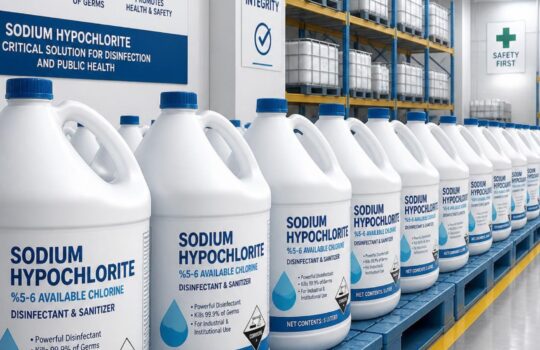
Sodium Hypochlorite is a chlorine-based chemical compound with the formula NaClO. It is widely known as liquid bleach.
It is one of the most commonly used disinfectants because it is affordable, fast-acting, and effective against a wide range of microorganisms.
Common Uses of Sodium Hypochlorite
Sodium hypochlorite is widely used in:
- Household bleach products
- Surface sanitization
- Swimming pool treatment
- Commercial cleaning
- Wastewater disinfection
- Hospital cleaning
- Laundry bleaching
Because of its strong disinfecting properties, it is frequently used for everyday cleaning and sanitation applications.
Sodium Chlorite vs Sodium Hypochlorite: Main Differences
1. Chemical Composition
The first major difference is their chemical structure.
| Chemical | Formula |
|---|---|
| Sodium Chlorite | NaClO₂ |
| Sodium Hypochlorite | NaClO |
Even though the formulas look similar, the chemicals react differently and are designed for different industrial purposes.
2. How They Work
How Sodium Chlorite Works
Sodium chlorite itself is not usually the final disinfectant. Instead, it is activated to produce chlorine dioxide gas or solution.
Chlorine dioxide works by:
- Breaking down bacterial cell walls
- Eliminating biofilms
- Oxidizing contaminants
- Controlling odours
This makes sodium chlorite highly effective for advanced water treatment and industrial disinfection.
How Sodium Hypochlorite Works
Sodium hypochlorite releases free chlorine in water, which kills microorganisms quickly.
It is effective for:
- Routine disinfection
- Surface cleaning
- General sanitation
- Rapid microbial control
However, its effectiveness can reduce at higher pH levels or when exposed to sunlight and heat for long periods.
3. Water Treatment Performance
One of the biggest differences between sodium chlorite and sodium hypochlorite is their role in water treatment.
Sodium Chlorite in Water Treatment
Sodium chlorite-based chlorine dioxide is often preferred because it:
- Controls taste and odour problems
- Works effectively against biofilms
- Produces fewer harmful chlorinated compounds
- Performs well over a broad pH range
This makes it suitable for municipal and industrial water treatment systems.
Sodium Hypochlorite in Water Treatment
Sodium hypochlorite is commonly used because it:
- Provides fast disinfection
- Is cost-effective
- Is easy to dose and handle
However, it may form disinfection by-products such as trihalomethanes (THMs) when reacting with organic matter in water.
4. Industrial Bleaching Applications
Both chemicals are used in bleaching, but in different ways.
Sodium Chlorite for Bleaching
Sodium chlorite is widely used in:
- Textile bleaching
- Pulp bleaching
- Industrial fabric processing
It is preferred because it provides:
- Better brightness
- Lower fibre damage
- More controlled bleaching
Sodium Hypochlorite for Bleaching
Sodium hypochlorite is commonly used for:
- Laundry bleaching
- Surface whitening
- General cleaning products
While effective, it can sometimes be harsher on fabrics and materials.
5. Stability and Storage
Sodium Chlorite
- More stable under controlled storage conditions
- Should be stored away from contamination and heat
- Requires proper industrial handling because it is a strong oxidizer
Sodium Hypochlorite
- Breaks down gradually over time
- Loses strength when exposed to sunlight or high temperatures
- Requires proper ventilation during storage
Correct storage is important for maintaining effectiveness and safety for both chemicals.
6. Environmental Impact
Environmental safety is becoming more important across industries.
Sodium Chlorite
Sodium chlorite-based chlorine dioxide treatment generally produces fewer harmful chlorinated organic by-products.
This makes it a preferred option in industries aiming for cleaner and more sustainable treatment processes.
Sodium Hypochlorite
Sodium hypochlorite can form:
- Trihalomethanes (THMs)
- Chlorinated organic compounds
These by-products may create environmental or regulatory concerns in certain applications.
Sodium Chlorite vs Sodium Hypochlorite: Quick Comparison
| Feature | Sodium Chlorite | Sodium Hypochlorite |
|---|---|---|
| Formula | NaClO₂ | NaClO |
| Main Function | Chlorine dioxide generation | Bleaching & disinfection |
| Common Use | Industrial water treatment | Cleaning & sanitization |
| Stability | More stable | Degrades faster |
| By-Products | Lower harmful residues | Higher risk of THMs |
| Industrial Preference | Advanced treatment systems | Routine sanitation |
Which One Should You Choose?
The right chemical depends on your application and operational requirements.
Choose Sodium Chlorite If You Need:
- Advanced water treatment
- Chlorine dioxide generation
- Industrial bleaching
- Better odour control
- Lower harmful by-products
- Broad-spectrum oxidation
Choose Sodium Hypochlorite If You Need:
- Fast surface disinfection
- Routine sanitization
- Cost-effective cleaning
- General bleaching applications
- Municipal or household sanitation
Understanding the operational goal helps businesses select the most suitable and efficient chemical solution.
Read more: https://thesuntek.com/safe-handling-of-sodium-hypochlorite-dos-and-donts/
Final Thoughts
Although Sodium Chlorite and Sodium Hypochlorite are both used for disinfection and bleaching, they are designed for different applications. Sodium chlorite is mainly preferred for chlorine dioxide generation, industrial water treatment, and advanced oxidation processes, while sodium hypochlorite is widely used for everyday sanitization and cleaning.
For industries seeking reliable sodium chlorite solutions for water treatment, bleaching, and industrial disinfection, Suntek Group offers high-quality chemical products that support modern industrial performance, safety, and compliance standards.