
How to Choose HDPE Drums for Safe Chemical Storage
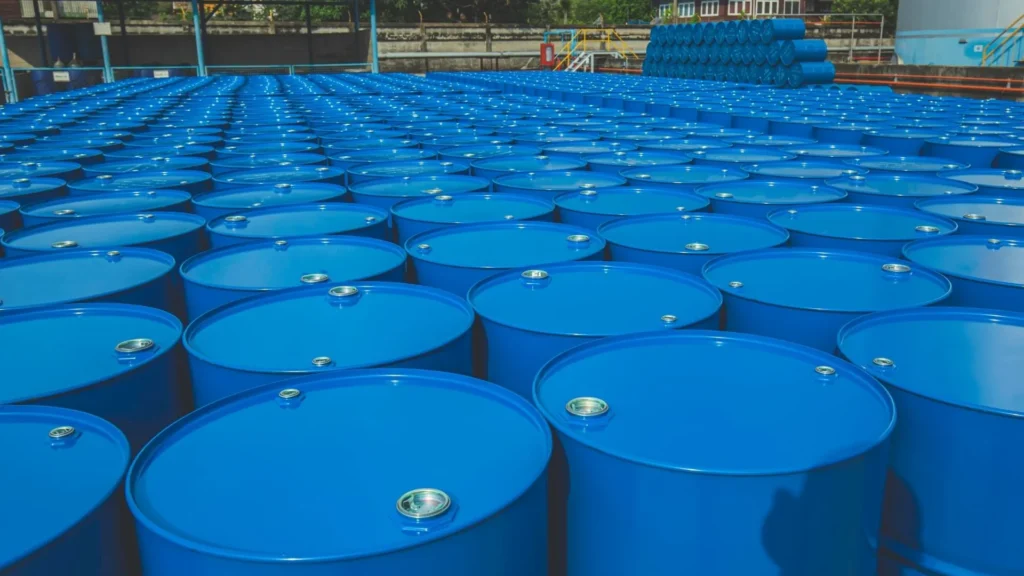
Storing chemicals safely is not optional—it’s a critical requirement for protecting people, facilities, and the environment. Whether you handle industrial chemicals, pharmaceuticals, agrochemicals, or specialty formulations, choosing the right HDPE drum plays a major role in preventing leaks, contamination, and compliance issues.
But not all HDPE drums are the same.
This guide explains how to choose HDPE drums for safe chemical storage, what factors truly matter, and how to avoid common mistakes—so you can store, transport, and handle chemicals with confidence.
Why HDPE Drums Are Used for Chemical Storage
High-Density Polyethylene (HDPE) drums are widely preferred for chemical storage because of their chemical resistance, durability, and safety profile.
HDPE material offers:
- High resistance to acids, alkalis, and corrosive chemicals
- Non-reactive properties that prevent contamination
- Lightweight yet strong structure
- Excellent impact and stress resistance
- Long service life in harsh environments
However, selecting the wrong type or grade of HDPE drum can compromise safety. That’s why understanding the selection criteria is essential.
Step 1: Understand the Type of Chemical Being Stored
The first and most important step is identifying the chemical compatibility.
Ask these questions:
- Is the chemical corrosive, flammable, or oxidizing?
- Is it a liquid, semi-liquid, or viscous substance?
- Does it release fumes or require airtight sealing?
- Is long-term storage required or short-term transport?
Different chemicals react differently to materials. A properly designed HDPE drum should be tested and certified for compatibility with the specific chemical it will hold.
Tip: Always check chemical resistance charts and manufacturer test data before finalizing a drum.
Step 2: Choose the Right Drum Capacity and Design
HDPE drums are available in multiple sizes—ranging from small containers to large industrial drums.
Consider:
- Volume requirements (to avoid overfilling)
- Head type (open head vs. tight head)
- Handling and stacking needs
- Space and warehouse layout
Tight head drums are ideal for liquid chemicals requiring leak-proof sealing, while open head drums work well for powders or semi-solids that need easy access.
Choosing the correct size improves:
- Safety during handling
- Storage efficiency
- Transportation stability
Step 3: Check UN Certification and Compliance Standards
For chemical storage and transportation, UN-certified HDPE drums are essential.
UN certification ensures that drums have passed:
- Drop tests
- Leak-proof tests
- Stacking tests
- Pressure tests
These certifications are often mandatory for hazardous materials under global and regional regulations.
When evaluating HDPE drums, confirm:
- UN markings are clearly visible
- Certification matches the chemical hazard class
- Compliance with transport and safety regulations
Using uncertified drums may lead to regulatory penalties and serious safety risks.
Step 4: Evaluate Drum Thickness and Structural Strength
Not all HDPE drums have the same wall thickness or molding quality.
A well-designed drum should:
- Maintain shape under load
- Resist bulging during filling
- Withstand stacking pressure
- Absorb impact during transport
Drums used for chemicals must be manufactured using high-quality virgin HDPE and advanced molding processes to ensure consistent strength.
Thin or poorly molded drums may fail over time—especially with aggressive chemicals.
Step 5: Ensure Leak-Proof Closures and Sealing Systems
Leak prevention is a critical safety factor.
Look for:
- Precision-engineered lids and bungs
- Chemical-resistant gaskets
- Tamper-evident sealing options
- Secure locking mechanisms
A high-quality closure system protects against:
- Spillage
- Evaporation
- Contamination
- Exposure risks
Even the best drum body can fail if the sealing system is weak.
Step 6: Consider Environmental and Storage Conditions
Chemical drums are often exposed to:
- Heat and sunlight
- Humidity
- Rough handling
- Long storage durations
Ensure the HDPE drum is:
- UV stabilized (for outdoor storage)
- Resistant to temperature variations
- Suitable for stacking in warehouses
- Designed for forklift or pallet handling
Matching the drum design to real-world storage conditions significantly increases safety and lifespan.
Step 7: Prioritize Manufacturer Expertise and Quality Control
The reliability of an HDPE drum depends heavily on who manufactures it.
A trusted manufacturer should offer:
- Consistent material quality
- Strict quality testing
- Regulatory compliance documentation
- Customization for specific chemical needs
- Technical guidance for safe usage
Choosing an experienced supplier reduces risks, ensures compliance, and improves operational efficiency.
Common Mistakes to Avoid When Choosing HDPE Drums
Many safety issues arise from avoidable errors, such as:
- Selecting drums based only on price
- Ignoring chemical compatibility
- Using non-certified containers
- Overfilling beyond recommended limits
- Reusing drums without proper assessment
Avoiding these mistakes protects your workforce, assets, and reputation.
Why the Right HDPE Drum Is a Safety Investment
Choosing the right HDPE drum is not just a procurement decision—it’s a risk management strategy.
The correct drum:
- Prevents leaks and accidents
- Protects chemical integrity
- Ensures regulatory compliance
- Reduces long-term costs
- Improves operational safety
When safety and compliance are non-negotiable, quality containers make all the difference.
Choose Suntek Group for Reliable HDPE Chemical Storage Solutions
If you’re looking for high-quality, UN-certified HDPE drums designed for safe chemical storage, Suntek Group offers trusted, industry-proven solutions.
With advanced manufacturing standards, strict quality control, and a deep understanding of chemical storage requirements, Suntek Group delivers HDPE drums that meet safety, durability, and compliance expectations across industries.
👉 Get in touch with Suntek Group today to choose the right HDPE drum for your chemical storage needs and ensure safety, reliability, and peace of mind—without compromise.
